If you do exactly two things after reading this, do these: put water away, and make sure you own a light that you can find in the dark. Everything else on this site is worth doing, but nothing else is worth doing before these two.
how much water
Water first. The standard advice in Japan is three liters per person per day, and that is the figure the Cabinet Office uses. Two of those liters are for drinking. The third is for cooking and washing, and honestly three liters a day is the floor, not the ceiling, because in summer or with a baby or an elderly parent in the house you will want more. Plan for three days as a bare minimum and five days if you have anywhere to put it.
Do the arithmetic for your household. Two people, three days, three liters a day is eighteen liters. Two people, five days is thirty. That is a stack of two-liter bottles in the bottom of a closet, or a corner of the balcony out of direct sun. Twelve bottles in the closet is less water than I drink in a month.
The details are what catch people out. Buy the plastic bottles, not the big multi-liter jugs that you will never finish once you crack them open. Write the month you bought them on the cap with a marker. Swap them out once a year, and the cheapest trick I know is to drink the old ones and replace them, so it costs you nothing except remembering. Keep some of it in the place you would actually be after a quake, which is usually the bedroom or near the entrance, not the kitchen.
Tap water in the kitchen is a source that can stop. After a quake the municipal supply can be cut for days, and if you live in a building with a rooftop tank or an electric pump, your building’s water may stop even when the city’s does not. We lost the pump once during a power cut and the taps in the upper floors were dry for a day and a half with no emergency at all.
and then light
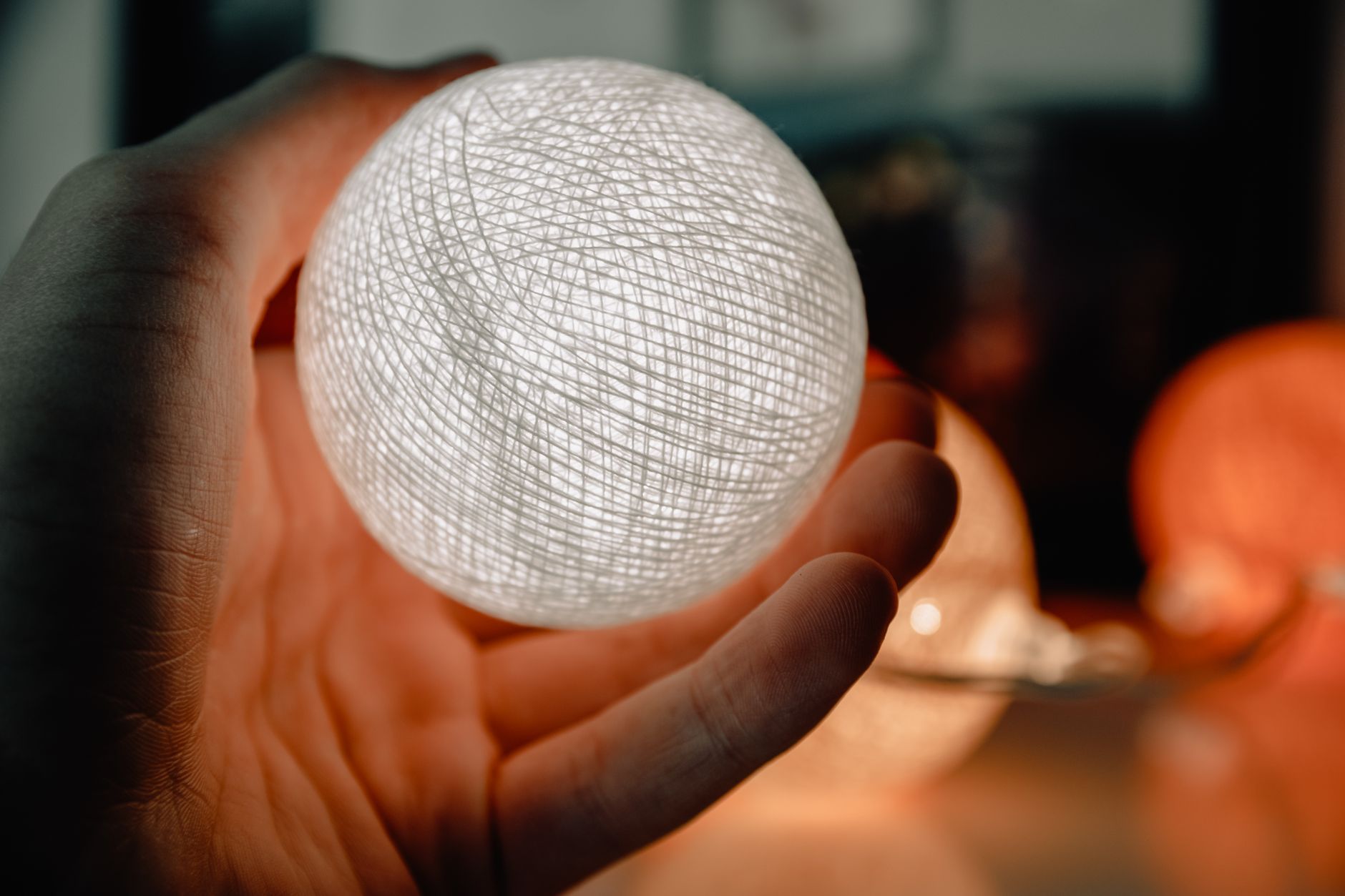
Now the light. You need one good lantern and one small flashlight, and you need to know where both are without turning anything else on. A camping lantern that takes four AA batteries and throws light in every direction beats a tactical torch for indoor use, because you want the room lit, not one bright spot on the wall. The small one is for moving around and looking at things.
Batteries are the part everyone forgets. Buy them at the same time as the light, write the date on them, and keep at least one full spare set with the lantern. If you go with rechargeable gear, keep a power bank charged and check it every few months; a dead power bank is the same as no flashlight at all. I keep ours plugged in near the front door and unplug it twice a year when I swap the water.
if money is tight
The order to buy things in, if money is tight: a lantern and its batteries first, then water, then a second small light, then batteries in bulk, then the rest of the kit. Under 5,000 yen gets you through the first two steps. Under 10,000 yen covers the whole list.
None of this needs to be assembled in one weekend. One bottle of water and one lantern this week is a real start. The point is that when the phone alarm goes off at two in the morning and the power dies, you are already standing up and reaching for the shelf, not fumbling in the dark wondering where anything is.
