When people picture getting hurt in an earthquake, they picture the building coming down. That is the movie version. In Japan the boring, statistical reality is that most earthquake injuries come from things inside the room: bookcases, tall cabinets, televisions, the fridge walking across the floor, a stack of boxes on top of the wardrobe landing on someone’s head.
The 2011 Great East Japan Earthquake is the reference point everyone here measures against. The shaking itself went on for several minutes in places, which is far longer than most of the small quakes you have felt. Reports afterwards kept coming back to the same pattern in undamaged buildings: the house was fine, the family was not, because a chest of drawers went over or a heavy thing slid off a shelf. In Kobe in 1995 it was the same story. Buildings that stood, rooms that became dangerous.
So before you buy anything else preparedness-related, walk around your home and look up.
what topples

What actually topples? Anything tall, narrow, and top-heavy. Bookcases are the classic offender, especially the cheap open kind loaded with books on the upper shelves. Wardrobes with drawers. Glass-front cabinets whose doors fly open and throw the contents out. TVs on stands that are wider than the feet. Kitchens: the heavy appliances on the counter edge, and the upper cabinets that open and drop plates.
What does not topple: low, heavy things. The fix is mostly either making furniture heavier at the bottom, or tying it to the wall.
brackets and straps
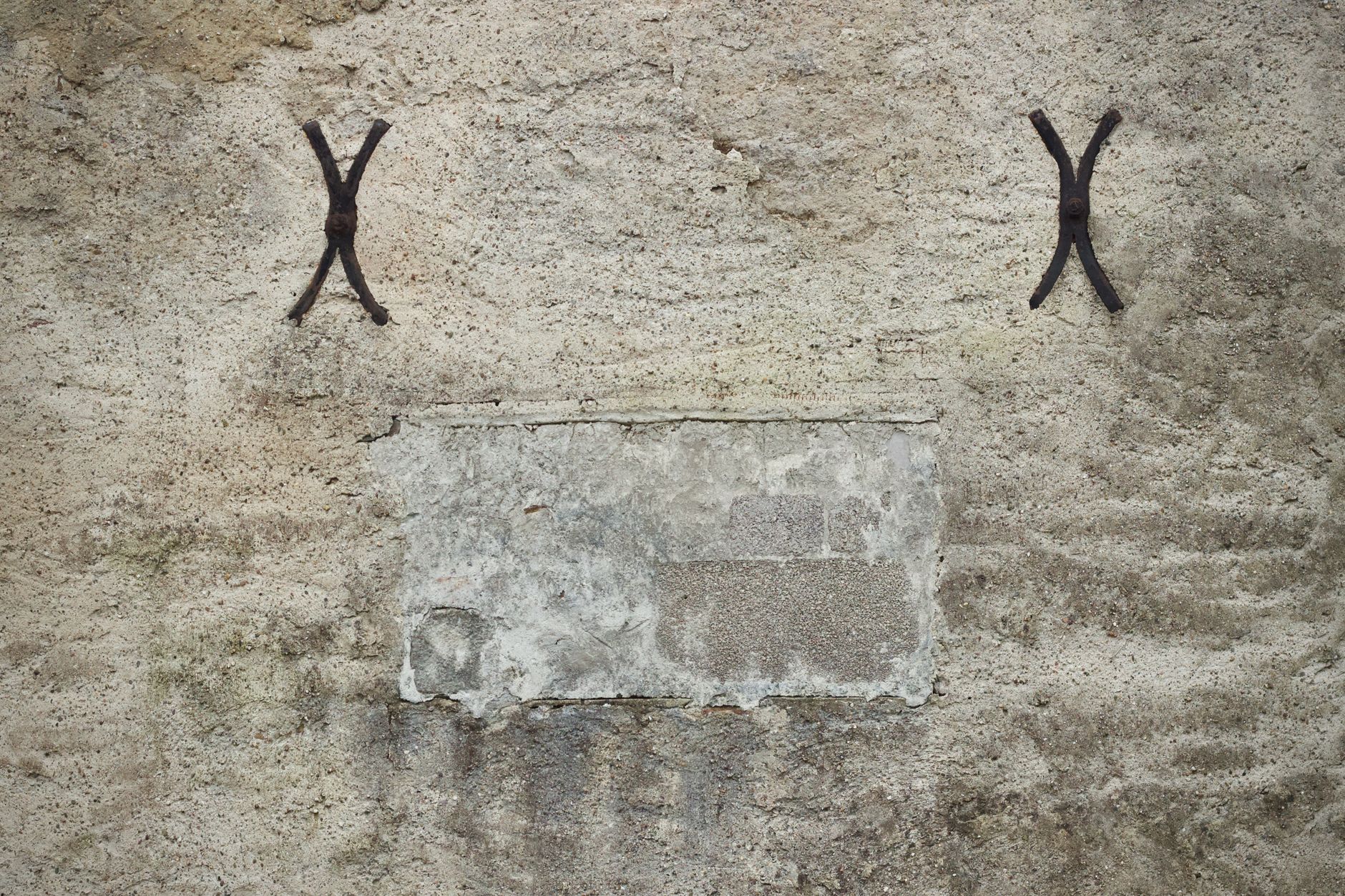
Tying things to the wall is the job, and it is more boring and more effective than anything else on this site. L-brackets are the cheapest method: a small metal angle screwed into the side of the cabinet and into the wall stud or a wall anchor. A few hundred yen each at a home center, and a drill and ten minutes per piece of furniture. Use two brackets per tall piece, top and bottom. If you rent and cannot screw into walls, there are adjustable poles that wedge between the floor and ceiling with a plate on top of the furniture, and there are strong adhesive hooks rated for quakes that hold well on sound surfaces.
glass and beds


Do not skip the glass. Cabinet doors need latches, the kind that click shut, and if you have anything breakable in the bedroom or living room, assume it will end up on the floor. Tape the big windows with safety film if you can, or at least keep the curtains closed at night so that if glass goes, it goes into fabric.
Then the beds. Move the heavy bookcase away from where you sleep. Most quake injuries happen at night, and the position of the headboard matters more than any amount of gear in a bag.
testing finds mistakes
Testing is the part people skip and it is the part that finds mistakes. Once the brackets are in, push each piece the way a quake would push it, hard, from two directions. If anything moves, it is not done. Check again after a year, because brackets work loose and furniture contents change; a shelf that was safe when it was mostly empty is a different problem once you have filled it.
For the official checklists, the Japanese Cabinet Office runs a disaster prevention site at bousai.go.jp with the standard household advice, including what to do about furniture in rented housing and how to store things high up. It is worth a half hour of your time, especially the parts about what to do during the shaking itself.
None of this is expensive. A weekend and maybe 3,000 yen in brackets covers most apartments. It is also the one job that protects you during the first ten seconds, which is the window where everything goes wrong and before any of the rest of your preparation does anything at all.
Anchoring furniture is dull work. It is also the single highest-value hour-per-yen on this entire site. Do it before the water. Do it before the gear. The shelf above your bed does not care how prepared you think you are.
